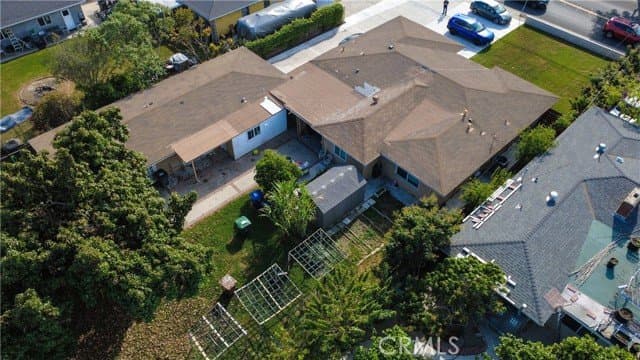
Across California, more households are choosing to live as extended families. Grandparents help with childcare, adult children save toward their own goals, and everyone shares the rising cost of housing. The challenge is doing it without losing privacy. A property with the right layout and land, like 12542 9th Street in Garden Grove, can make that balance more achievable.
Why Families Are Choosing Shared Land
Housing costs are one driver. When two generations combine resources, they can often afford a better location, a larger property, or a more flexible home than either could alone. Some families estimate meaningful monthly savings from sharing mortgage, utilities, and maintenance costs, though the actual figures depend on each household's circumstances and should be calculated carefully.
There are also non-financial benefits: built-in support for aging parents, shared child care, and the simple pleasure of being close to people you love.
What a Compound-Style Setup Can Look Like
A multi-generational compound does not have to mean a sprawling estate. It simply means more than one household living on the same parcel with a thoughtful separation of space. At 12542 9th Street, the ingredients include:
- A 1,912 sq ft main home with 3 bedrooms and 2 bathrooms on a single level, which is convenient for family members of different ages.
- A detached two-car garage with an attached bonus room that could be explored for conversion, subject to city approval.
- A 14,040 sq ft lot with room to consider an additional detached unit of up to 1,200 sq ft, as described in the property's marketing materials, subject to verification.
- Yard space that can be shared for gatherings while still allowing separate private areas.
Designing for Privacy
Togetherness works best when people can also step away. A few design principles help:
- Separate entrances: Give each household its own front door and address path.
- Distance and screening: Use landscaping, fencing, and placement to create visual privacy.
- Separate utilities where possible: Individual meters or clear cost-sharing arrangements reduce friction.
- Shared zones with clear rules: Decide in advance how the yard, laundry, parking, and guest areas will be used.
Money and Ownership: Have the Hard Conversations First
The most important work happens before closing. Families should discuss how title will be held, who contributes what, how expenses are split, what happens if someone wants to leave, and how the arrangement would be handled in the event of a death or divorce. A real estate attorney can help draft written agreements, and a lender can explain how multiple borrowers affect qualification. Every family situation is different, so professional advice is strongly recommended.
Equity Considerations
Adding a unit may increase a property's value and flexibility, but results vary. Equity grows through mortgage paydown and market appreciation, neither of which is guaranteed. Shared ownership can speed up equity building by spreading costs, yet it also requires trust and clear documentation.
Questions to Ask Before You Commit
- Do all adults share the same long-term goals for the property?
- How will major repairs and improvements be funded?
- What are each household's privacy needs, work schedules, and lifestyle habits?
- How would the arrangement adapt if family circumstances change?
A Place to Grow Together
Whether the plan is to house aging parents, welcome adult children, or share with siblings, the key is to match the property to the family rather than the other way around. A large lot, a single-story home, and flexible outbuildings give families more choices to work with.
Imagine the possibilities. Explore the family compound layout options at 12542 9th Street.
General information only. This article is not legal, financial, or tax advice. Consult qualified professionals about co-ownership, financing, and construction before making decisions.