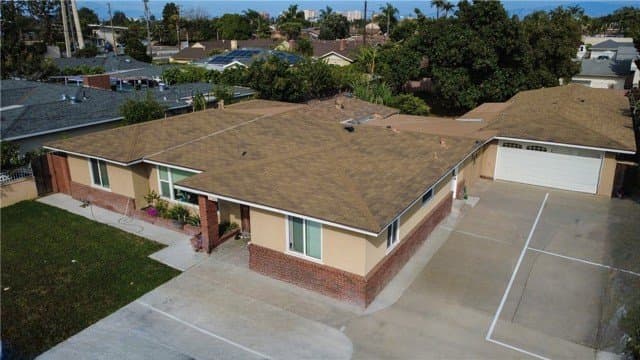
There is something comforting about a house that has been standing for more than seven decades. The proportions feel human, the rooms feel settled, and small details tell you someone cared about how the home was put together. 12542 9th Street in Garden Grove is a 1949 single-story residence, and it carries the kind of mid-century character that many buyers go out of their way to find.
The Appeal of Post-War Construction
Homes built in the years following World War II were designed for growing families and everyday living. Single-story layouts, practical floor plans, and straightforward construction were hallmarks of the era. Many owners appreciate that older homes often feature solid framing, real wood trim, and thoughtful touches such as built-in alcoves and cabinetry that modern tract homes sometimes omit to save cost.
That said, age is not automatically quality, and every older home should be judged on its own condition. A professional inspection is the best way to separate romance from reality.
Details Worth Celebrating
When touring a vintage home, look for the features that give it personality:
- Proportions and flow: Rooms scaled for comfortable living rather than showpiece spaces.
- Built-ins and alcoves: Custom storage and niches that add function and charm.
- Natural materials: Wood cabinetry, trim, and flooring that can be preserved or refreshed.
- Single-story living: An easy layout with a natural connection to the yard.
- Windows and light: Wide openings that bring daylight deep into the home.
At this property, those elements combine with 1,912 sq ft of living space, 3 bedrooms, and 2 bathrooms, offering room to live comfortably while keeping mid-century soul.
Preserve, Restore, or Reimagine?
Owners of vintage homes generally choose among three approaches.
- Preserve: Keep original features intact and make only discreet updates for comfort and safety.
- Restore: Repair and refinish elements to bring them back to their best condition.
- Reimagine: Blend original character with contemporary upgrades, such as modern lighting, fixtures, or finishes.
There is no single right answer. The best approach respects the home's strengths while suiting how you want to live.
What a Smart Buyer Checks
Older homes reward curiosity and caution. Before purchasing, consider asking an inspector to evaluate:
- Foundation and structural condition
- Roof age and drainage
- Electrical system capacity and safety
- Plumbing materials and sewer line condition
- Insulation, ventilation, and energy efficiency
- Possible presence of materials common in older homes, which a qualified professional can test for
Knowing the condition up front lets you budget for improvements and negotiate with confidence.
Character With Room to Grow
One reason this property is so interesting is that vintage charm comes with space to grow. The 14,040 sq ft lot, detached garage, and attached bonus room give owners the chance to enjoy mid-century character in the main house while adding modern flexibility elsewhere on the property. You do not have to choose between history and function.
Why Authenticity Matters
In a market filled with similar-looking new construction, a home with a real story stands apart. Buyers who value authenticity often find that vintage homes are easier to personalize and more satisfying to own. Whether you are a design enthusiast, a family looking for a place with warmth, or an investor who appreciates architectural appeal, a well-kept 1949 classic can be a compelling choice.
See the Details in Person
Photographs capture a lot, but touring reveals the feel of a home: how the light moves, how rooms connect, and how the craftsmanship holds up under close inspection. A full photo gallery is a good place to begin before scheduling a visit.
Explore the full architectural photo gallery for 12542 9th Street and see the mid-century details for yourself.
General information only. Property condition should be verified through professional inspections. Features described reflect the listing and may change.